
News

When should you change the engine oil? Why do the recommended intervals vary depending on the make, model, engine version, and even how the vehicle is used? Why does one car last 10,000 km on a single oil change, while another lasts as long as 40,000 km? TotalEnergies expert Adam Klimek answers these questions.
Engine oil performs many essential functions: it protects the engine from mechanical damage, provides thermal and corrosion protection, and—thanks to carefully selected additives—extends the engine’s service life. At the same time, it absorbs contaminants produced during fuel combustion.
However, its absorption capacity is not unlimited—over time, the lubricant loses its properties. If it is not changed at the right time, deposits will begin to build up inside the engine, accelerating its wear. That is why regular oil changes are a fundamental principle of proper car maintenance.
What causes oil change intervals to vary?
Each engine manufacturer specifies which oil should be used in a given engine. To this end, relevant standards and certifications are developed to define the technical parameters of the lubricant in response to the engine’s needs, including, among other things, low ash content and resistance to LSPI.
Operating conditions also affect the oil’s service life. Cold starts at low temperatures, frequent short-distance city driving, or intensive use place a much greater strain on the oil than a leisurely highway drive. That is why the recommended oil change interval may vary even within the same car model and engine variant.
The type of powertrain also matters—different recommendations may apply to gasoline engines, diesel engines, or hybrid systems. Technological advancements and increasingly sophisticated oil formulations have made it possible, in some designs, to extend the intervals between oil changes to as much as 40,000 km.
Operating Conditions and Oil Change Frequency
The frequency of oil changes is influenced not only by the engine design but also by how the car is used. Driving short distances or in city traffic is among the most demanding operating conditions. Frequent changes in driving dynamics (such as pulling away from traffic lights or driving in traffic jams) or driving short distances (when the oil does not have time to reach its optimal operating temperature) place as much strain on the engine as very dynamic driving on the highway.
How can you tell if a car is operating under demanding conditions? Fuel consumption can be a helpful indicator. If it is significantly higher than the manufacturer’s specifications, this usually means the engine is being used more intensively. In such cases, it’s worth considering more frequent oil changes.
Can Long Life oils be used in any engine?
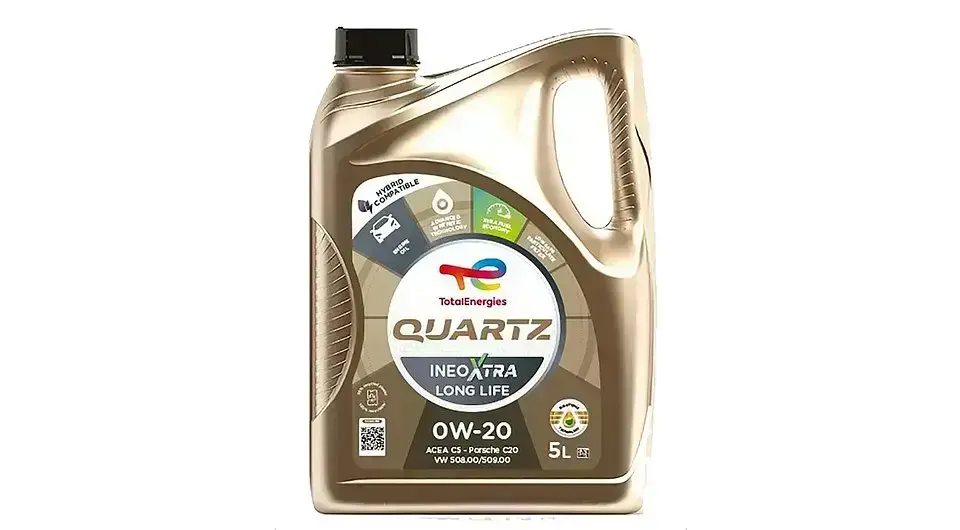
No—the suitability of Long Life oils and extended oil change intervals depends primarily on the engine’s design and the manufacturer’s recommendations. These should always serve as the basis for planning maintenance.
Time or mileage?
The timing of an oil change is determined not only by the number of kilometers driven but also by how long the oil has been in use. Even if a car travels only 2,000–3,000 km per year, the lubricant undergoes natural aging. It comes into contact with oxygen, which causes oxidation, and moisture also penetrates the engine. All these factors gradually degrade its properties. That is why, even with low mileage, it is generally recommended that engine oil be changed at least once a year.
In summary: many factors influence the frequency of oil changes—from the type of engine and the manufacturer’s recommendations, through operating conditions, to the driver’s driving style. Regular maintenance and oil changes in accordance with the recommendations help maintain adequate protection for the engine and promote its long, trouble-free operation.